Bedding and comfort
Wool Mattress Toppers: Temperature Comfort, Materials and Care
A wool mattress topper can soften the feel of a bed and add a distinct layer between sleeper and mattress. Its appeal is not simply that it is natural: wool has a particular hand, a gently springy structure and an ability to manage small changes in warmth and moisture. Whether those qualities suit you depends on the topper’s construction, your mattress, and the way you sleep.
A practical guide to wool filling, cover fabrics, mattress fit, adjustable bases and care.
What a wool mattress topper can—and cannot—do
A mattress topper is an added layer placed on top of a mattress, usually beneath a sheet or mattress protector. A wool topper may make a firm surface feel a little more forgiving, smooth out minor unevenness, or provide a familiar, softly resilient feel. It can also change the bed’s warmth and moisture experience. These are adjustments to comfort, not a replacement for the mattress itself.
That distinction matters. A topper cannot reliably correct a mattress that is sagging, broken down, or unsuitable for a person’s support needs. Nor should it be treated as a medical device or as a solution for a diagnosed sleep, mobility, pain, or skin condition. If an existing mattress is causing persistent discomfort, or if a clinician has recommended a particular support surface, seek appropriate professional advice before making changes.
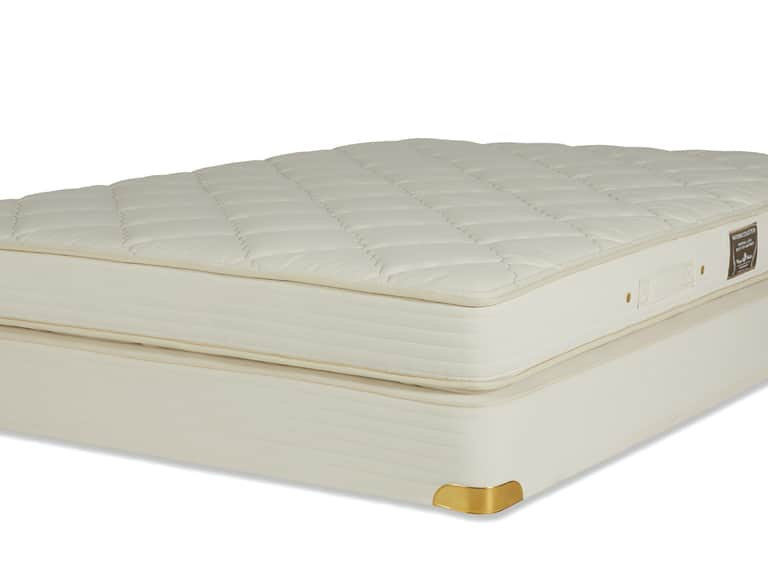
Wool toppers vary considerably. Some are lightly filled pads intended to add a modest cushion; others are thicker quilted layers with more substantial loft. A wool-filled topper is also different from a mattress that has wool quilted into its own cover. Product names can blur these categories, so look past the label and inspect the stated materials, dimensions, construction and care instructions.
Why wool is used in bedding
Wool fibres have a naturally crimped structure. In bedding, that structure can help create a light, springy filling that gives slightly under pressure and then recovers. The sensation is not identical to memory foam, which is often described as contouring closely, or to a dense latex layer, which tends to feel more buoyant. Wool’s feel depends on the fibre, how it has been processed, how tightly it is packed, and the way the topper is stitched.
Wool is also valued for its interaction with warmth and moisture. The fibre can absorb some water vapour while still feeling comparatively dry to the touch, and the spaces within a wool layer can allow air to move. In practical terms, this may help a sleep surface feel less clammy for some people. It does not guarantee a cool bed: room temperature, the mattress beneath, bedding, clothing, personal comfort, and the thickness of the topper all play a part.
Claims about temperature regulation should therefore be read as descriptions of material behaviour, not promises that a topper will prevent overheating or resolve night sweats. A heavily quilted cover, a non-breathable mattress protector, or warm bedding may change the overall result. The best guide is the complete sleep setup, not the fibre in isolation.
Wool is an animal-derived material, and not every product uses the same source or processing method. People who prefer to avoid animal fibres may want to consider other fillings. Those with known wool sensitivity should check the product details and consider whether direct or indirect contact is appropriate. A cover can limit contact, but it does not alter the composition of the filling.
Construction: filling, quilting and cover
When comparing wool mattress toppers, begin with the construction rather than the marketing language. The filling may be loose wool, layered batting, or wool held in place within quilted compartments. Each arrangement influences how the topper sits on the bed and how evenly the filling is distributed. Stitching can help prevent material from migrating, though the pattern and spacing matter; large sections may allow more movement than closely quilted channels.
Thickness is an important clue, but it is not a direct measure of softness or support. A lofty topper may compress under weight, while a thinner, more tightly packed pad may feel firmer. Check whether the manufacturer gives a finished depth, a filling weight, or both. If only a general description is offered, ask for clarification rather than assuming that the product will produce a particular level of cushioning.
The cover is not merely decorative. Cotton is a common choice because it can feel breathable and comfortable against the skin, but fabrics differ in weave, weight and finish. A tightly woven cover may hold the filling securely; a softer, lighter fabric may have a different feel and durability. Look for clear statements about whether the cover is removable, washable, or spot-clean only. A zip does not automatically mean a cover can be laundered.
Some wool bedding includes a washable wool layer or a separate protector rather than a conventional topper. A product such as the Suite Sleep Washable Wool Mattress Pad is described as having organic cotton on both sides, washable wool filling, a fitted style and 18-inch pockets. Its care instructions specify cold-water machine washing with a natural detergent and low-heat tumble drying or hanging to dry. These details illustrate why care should be checked product by product: instructions for a washable pad should not be transferred to a different wool topper.
Choosing a topper for your mattress
The first practical question is whether the topper will fit securely. Measure the mattress length, width and depth, then compare those measurements with the product’s finished size and attachment method. A topper that is too small may shift or leave exposed edges; one that is too large can bunch beneath the bedding. Fitted skirts, corner straps and elastic bands can help, but their depth range must be compatible with the mattress and any protector already in place.
Consider the mattress surface as well. A topper may sit differently on a smooth, firm mattress than on a deeply quilted or pillow-top one. If the mattress already has a substantial comfort layer, additional loft may make the bed feel too soft or unstable for your preference. If the surface is simply a little firm, a modest pad may be a more proportionate change than a very thick topper.
Think about sleep position and personal preference without treating either as a formula. Side sleepers often seek a little more cushioning around the shoulder and hip, while people who sleep on their back or stomach may prefer less added softness. Individual bodies and mattresses differ, so these are starting points for comparison, not rules. If you share a bed, one person’s ideal layer may not suit the other; a topper that covers the full mattress can affect both sides.
Check the stated weight and handling requirements, particularly for a large mattress. Wool layers can be awkward to lift and reposition, and a thick topper may make fitted sheets harder to secure. If someone has limited mobility, consider whether the extra depth changes the ease of getting in and out of bed. In a care setting or where a clinician has recommended a specific support surface, confirm compatibility with the care plan before adding any bedding layer.
Wool toppers and adjustable beds
An adjustable base changes the angle of the mattress, so a topper must be able to move with it. A flexible, securely attached layer may follow moderate elevation more readily than a thick, rigid or loose construction, but compatibility cannot be assumed from the word “wool.” Check the topper manufacturer’s guidance, the base instructions, and the mattress maker’s recommendations.
Pay attention to whether the topper shifts, folds, or pulls taut when the head or foot section is raised. Loose material can gather in the bend, interfere with a smooth sleeping surface, or make sheets difficult to keep in place. The mattress itself must also be designed for use on an adjustable base; a compatible topper does not make an incompatible mattress suitable.
For a bed used in healthcare or home care, extra caution is appropriate. Added layers can change the effective surface height, affect transfers, or interfere with bed rails and other equipment. Follow the instructions supplied with the bed and accessories, and ask a relevant healthcare professional or equipment provider if compatibility is uncertain. Comfort decisions should not compromise safe use of the bed.
Care: protect first, clean gently
Wool mattress toppers are not all washable. Some can be spot-cleaned only; others may be professionally cleaned or have a removable cover; a smaller number are designed for machine washing. The care label is the authority. Do not assume that because wool can be washed in some products, every wool filling will tolerate water, agitation, heat or a dryer. Incorrect cleaning can shrink fabric, distort quilting, felt the wool or leave the filling uneven.
Prevention is often the simplest maintenance. A compatible mattress protector can help guard against spills, body oils and everyday soil, while a washable fitted sheet provides an additional practical barrier. Choose layers that fit properly and do not trap excessive heat or make the topper slide. If a protector is waterproof, check whether its surface changes the feel or breathability of the whole bed.
For a small spill, act promptly but avoid soaking the filling. Blot the area with a clean, absorbent cloth rather than rubbing, which can push liquid deeper or disturb the surface. Follow the maker’s directions for any permitted spot treatment, and allow the topper to dry fully before covering it again. Do not use bleach, strong cleaners, or a heated drying method unless the care instructions explicitly allow them.
Regularly air the bed when practical, and inspect the topper for shifting, compressed areas, damaged stitching or persistent odour. Turning or rotating it may be appropriate only if the manufacturer says it is suitable; some products have a defined top side or a construction that is not intended to be flipped. Avoid folding or compressing the topper for storage unless the maker provides instructions, since prolonged pressure can alter its loft.
Wool has a distinctive natural scent that some people notice when a product is new. Ventilation may help it dissipate, but persistent or strong odours should be discussed with the seller or manufacturer, especially if the product is damp, visibly soiled or causing irritation. A scent is not by itself proof of a quality problem, but neither should discomfort be dismissed.
Natural, organic and certified: read the detail
Terms such as “natural,” “organic,” and “chemical-free” can refer to different things and should not be treated as interchangeable. A product may use wool filling but a synthetic cover, or organic cotton in one component and conventionally sourced materials in another. Read the full materials list, including the cover, thread, backing and any treatment or finish.
Where a certification matters to you, check which material it covers and what standard is named. A certification associated with the wool does not necessarily certify the entire finished topper. If a product description is unclear, ask the supplier to identify the certified component and provide the relevant documentation. Clear answers are more useful than broad sustainability language.
These details are particularly important for people with sensitivities or specific preferences about animal welfare, fibre processing or chemical finishes. No single label can establish that a product will be comfortable or suitable for every sleeper. Material transparency helps you make an informed choice; it does not replace trying the surface or checking the return terms.
A measured way to decide
Before choosing among wool toppers, write down what you want to change. Is the bed too firm? Does it feel stuffy? Is the current surface uneven? Would you like a natural-fibre layer, or are you mainly seeking a washable barrier? A topper can address some comfort preferences, but it is not a remedy for every mattress problem. Naming the goal makes comparisons less vulnerable to attractive but vague claims.
- Confirm dimensions: measure the mattress and check the topper’s size and pocket depth.
- Compare construction: review filling type, thickness or weight, quilting, cover fabric and attachment method.
- Read care instructions: establish whether it is machine washable, spot-clean only, or requires another form of care.
- Check compatibility: consider mattress protectors, fitted sheets, adjustable bases and any bed equipment.
- Review practical terms: understand delivery, trial, return and warranty conditions before purchase.
- Consider the whole bed: bedding, room temperature, mattress condition and personal comfort all affect the result.
If possible, test the topper under conditions similar to ordinary use. Notice whether it stays in place, whether the sheet still fits, and whether the added layer changes the ease of turning or getting up. Give attention to both the first impression and the feel after several nights. A bed is an arrangement of interacting layers; a single material rarely tells the entire story.
Frequently asked questions
Does a wool mattress topper keep you cool?
Wool can help manage moisture and may feel breathable, but it cannot guarantee a cool night. The topper’s thickness, cover, mattress, protector, sheets, room conditions and individual comfort all contribute. Compare the complete bedding setup rather than relying on a single fibre claim.
Can I put a wool topper on any mattress?
Many can be placed on a standard mattress if the dimensions and attachment method fit, but compatibility is not universal. Check the mattress and topper instructions, particularly for adjustable bases, specialist mattresses and care beds. Consider whether extra height or softness could affect transfers or equipment use.
Can wool toppers be machine washed?
Only when the manufacturer’s care label says they can. Some wool pads are washable, while many wool toppers require spot cleaning or another specified method. Washing a product against its instructions can damage the fibres, stitching or shape.
Will a topper fix a sagging mattress?
A topper may soften a surface, but it cannot restore a mattress that has lost structural support. If the mattress is visibly sagging or damaged, assess whether it needs repair or replacement rather than placing a new layer over the problem.
Is wool bedding suitable for everyone?
No material is right for every person. Wool may appeal to those who like its feel and natural fibre properties, but people with sensitivities or a preference to avoid animal-derived materials may wish to consider alternatives. Review the full materials information and seek clinical guidance when a medical need is involved.
The useful question is how the whole bed feels
A wool mattress topper can be a thoughtful way to adjust a sleep surface, provided its promises are kept in proportion. The essential questions are concrete: what is inside it, how is it made, will it fit, can it be cared for at home, and will it work with the mattress and base already in place? Answers to those questions are more dependable than any single adjective.
Wool’s character—its soft resilience, moisture-handling behaviour and natural variation—may suit one sleeper and not another. Compare construction and care labels carefully, protect the layer sensibly, and treat compatibility as part of comfort. The result is not a perfect bed by definition, but a better-informed decision about the one you have.